Nobody tells you who to call for a chimney
When you own a home for the first time, most trades are easy to find. A plumber is a plumber. A chimney is different, because the people who work on them use the same few words to mean quite different things. One company's "sweep" is a quick brush and a vacuum. Another's includes a look at the roof. A third will call almost anything an inspection. If you are a new owner in Paramount trying to hire someone for the first time, it pays to know what to ask before anyone climbs a ladder.
This post covers what a fair hire looks like, the questions that sort a careful company from a rushed one, and what our own sweep includes for the price.
What a sweep should include
A chimney sweep, done properly, clears the soot and creosote that build up inside the flue and the firebox. Creosote is the tar wood smoke leaves behind as it cools on its way up. A thin dusting is normal. A thick, shiny crust is a fire risk, because it can ignite and burn inside the chimney at very high heat.
On our visits, a sweep covers:
- Protecting the room first: drop cloths over the hearth and floor, and the fireplace opening closed off so dust stays inside the chimney.
- Brushing the flue from top to bottom with rods and brushes sized to it.
- Clearing the smoke shelf, the ledge just above the damper where debris settles.
- Vacuuming the firebox with a filtered machine so fine soot does not end up in the living room.
- Telling you, in plain words, what we noticed along the way.
Our sweep is priced from $395 per flue. The "from" is there because a flue with heavy buildup, or a nest, takes longer than one that was swept last year. You hear about that before we start, never on the invoice.
Questions worth asking any company
You do not need to know much about chimneys to hire well. You only need to ask a few things and listen to how they are answered.
What exactly is included at that price? Ask for the list. If the answer is vague, the bill tends to be vague too.
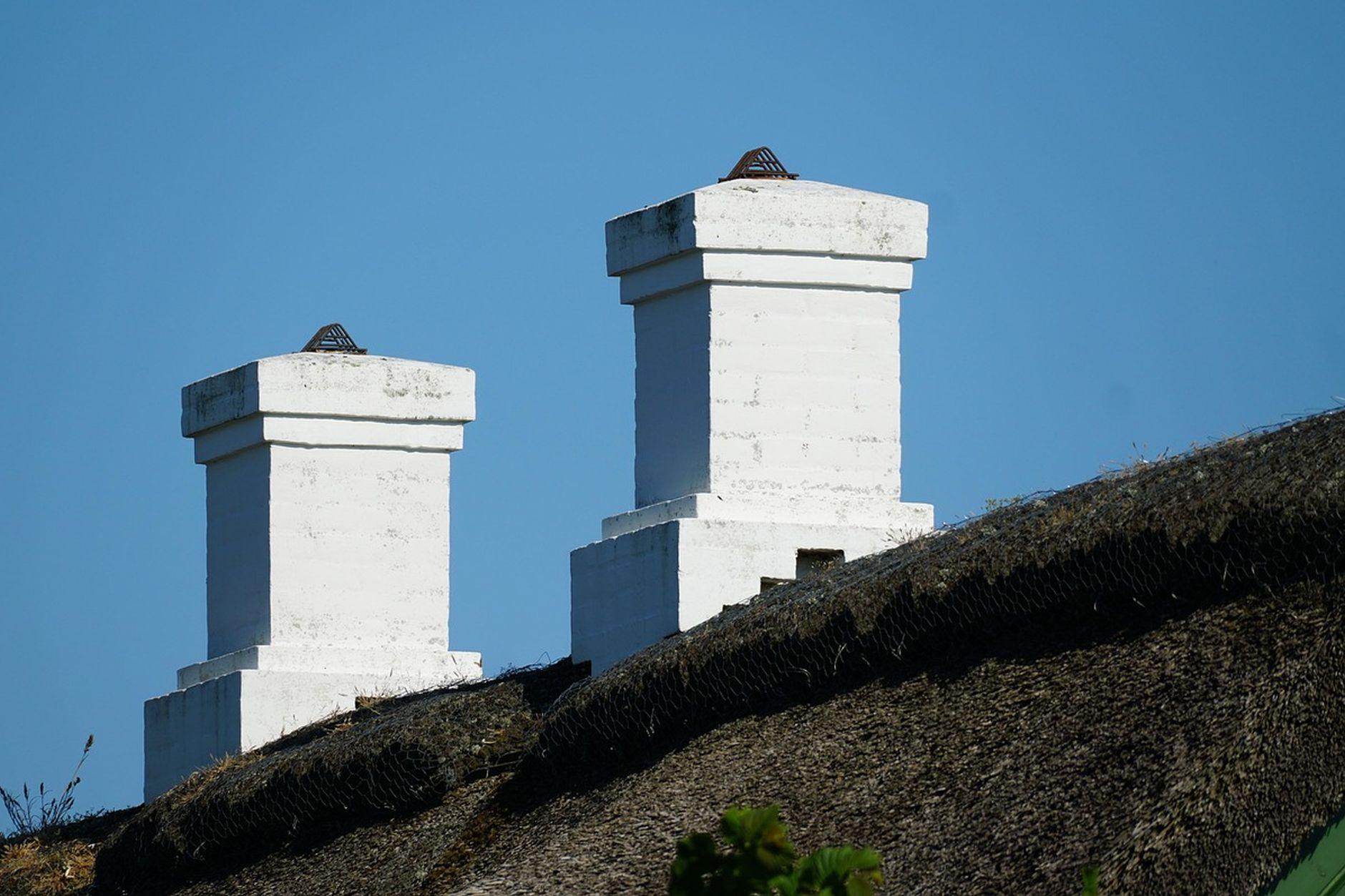
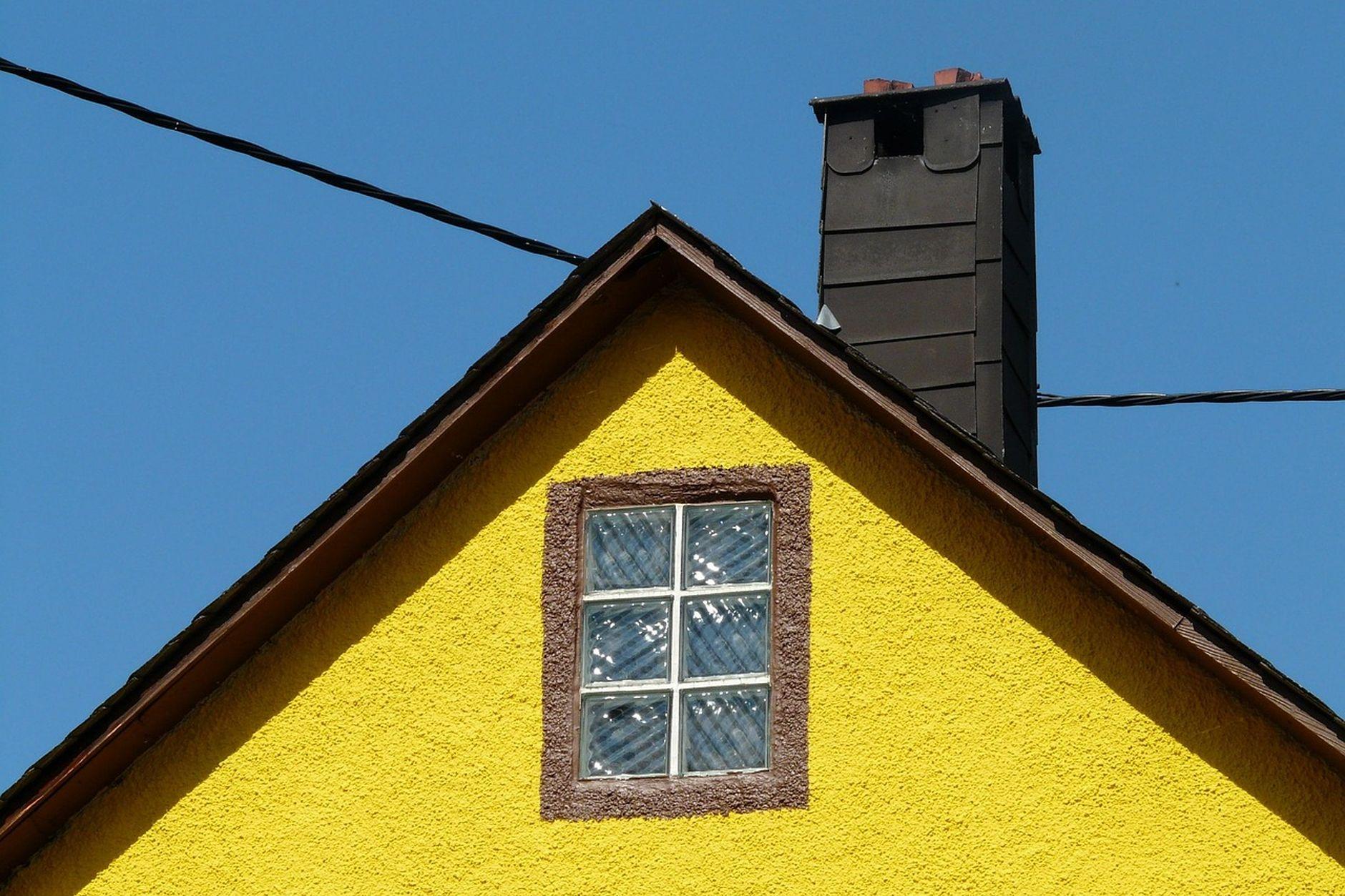
Will you look at the top of the chimney? A sweep from inside the house only reaches so far. The cap, the crown (the concrete slab capping the masonry at the very top) and the metal flashing where the chimney meets the roof all sit outside. A company that never goes up cannot tell you about them.
Do I get anything in writing? A short written note after a sweep, saying what was cleared and what was seen, is worth having. It helps if you sell the house one day, and it gives you something to compare with next year.
What happens if you find a problem? The right answer is that the work stops, you are shown the problem, and you decide. The wrong answer is any version of "we fix it while we are up there".
Is this a sweep or an inspection? These are separate jobs. A sweep cleans. An inspection judges the chimney against the NFPA 211 standard at a defined level. If you want both, ask for both by name.
Signs you are being rushed
New owners are easy targets for pressure, mostly because they do not yet know what normal looks like. A few warning signs:
- A low phone price that grows once someone is inside the house.
- A long list of "urgent" repairs with no explanation of why each one is urgent.
- No willingness to leave a written quote so you can think it over.
- Claims that the fireplace is unsafe, with nothing to show you.
None of this means every repair suggestion is a trick. Chimneys do fail. But a fair company shows you what it saw and lets the decision sit with you.
Choosing between sweep and inspection
If you have just moved in and know nothing about the chimney's past, a sweep alone is only half the answer. It removes the fuel for a chimney fire but does not tell you whether the flue tiles are cracked, whether the damper seals, or whether rain is getting in. Most first time owners are better served by pairing the sweep with an inspection on the same visit:
- Visual check (Level 1), $52. A look at every part we can reach without special tools.
- Camera inspection (Level 2), $370. The visual check plus video of the full inside of the flue, which is how hidden cracks and gaps are found.
If the house came with a recent camera report and the chimney has been used the same way since, the visual check is usually enough. If there is no history at all, the camera is the safer choice. Our fireplace inspection and chimney sweep pages go into each in more depth, and our pricing guide for a first visit sets the figures side by side.
Ask for a sweep through the form, and in the message tell us roughly how often the fireplace was used before you moved in, if you know. We call back with whether a sweep alone makes sense or whether an inspection should ride along.
What you get from us afterwards
After a sweep we leave a short written summary: the flue we cleaned, how much buildup there was, and anything we noticed that you should know about. If we saw something that needs a closer look, the summary says so in ordinary words and suggests the next step. We do not do the next step without your go ahead.
If you booked an inspection as well, the report is fuller, with notes for each part of the chimney and, for a Level 2, the camera footage. Owners in Paramount and nearby cities keep these in the same folder as the house purchase papers. It is the start of a record that a future buyer will want to see.
How often after the first time
There is no single rule for every house. A fireplace that burns wood several nights a week through winter needs sweeping more often than one lit at the holidays. A gas fireplace collects very little soot but still needs its vent and burner looked at. As a starting point, plan on a yearly inspection, and let the findings from that visit decide how often the sweep comes back.
When you are ready to book, our contact page is the place to start. Tell us what the fireplace burns and when it was last used, and we will suggest a visit that fits.
Your Fireplace, Looked at in Person
A guide can only go so far. Talbot Chimney Company visits homes across southeast LA County, names every part as we check it, and leaves a written report with a picture beside each finding.