Three services that sound alike
New homeowners in Paramount often ask us for "a chimney cleaning" when they mean an inspection, or book an inspection hoping the fireplace will come out clean. It is an easy mix up. The three services overlap in the room where they happen, but each one answers a different question, and each has its own price. Knowing which is which keeps you from paying for the wrong visit.
Here is the short version, then the detail.
| Service | The question it answers | Price |
|---|---|---|
| Fireplace cleaning | Does the part I can see look and smell right? | Quoted by fireplace |
| Chimney sweep | Is the flue clear of soot and creosote? | from $395 |
| Inspection, Level 1 | Is anything visibly wrong? | $52 |
| Inspection, Level 2 | Is anything wrong inside the flue that I cannot see? | $370 |
Fireplace cleaning: the room side
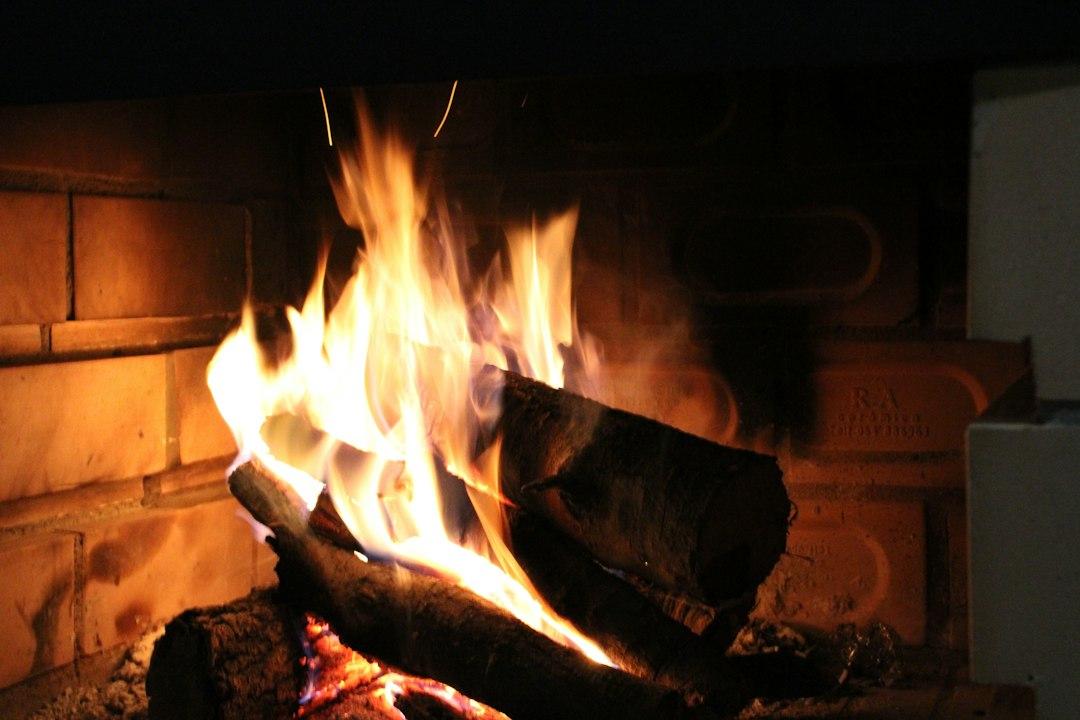
A fireplace cleaning deals with everything on your side of the damper. The damper is the metal plate that shuts off the chimney when no fire is lit. Below it sits the firebox, the brick lined box that holds the fire, and in front of that the hearth, the fireproof floor that catches stray embers.
Cleaning means taking out old ash, vacuuming soot from the firebox walls, washing glass doors if you have them, and scrubbing the face of the fireplace where smoke has stained it. It is the visit for an owner whose fireplace works but looks tired, or who has moved into a house where the previous owner left a dirty firebox behind. You can read what it involves on our fireplace cleaning page.
What cleaning does not do is reach up the flue. The smoke passage above the damper is untouched.
Chimney sweep: the flue side
A sweep goes past the damper and works the inside of the chimney. Rods and brushes run through the flue to knock loose the creosote that wood smoke leaves behind. Creosote is worth understanding as a new owner. It starts as a soft, flaky soot, hardens into a crust with heavy use, and in its worst form looks like dripped black glass. All of it burns. A chimney fire happens when that buildup catches, and it can crack the flue from the inside.
A sweep removes the fuel. It is the right visit when wood has been burned since the last cleaning, or when you have no idea when that was. Our sweep is priced from $395 and starts with the room protected and the opening sealed, so the soot goes into the vacuum and not onto the sofa.
A sweep does not grade the chimney. We tell you what we notice, but noticing is not the same as checking each part against a standard.
Inspection: a judgment on the whole chimney
An inspection is the visit that tells you whether the chimney is fit to use. It follows the NFPA 211 standard, which divides the depth of an inspection into numbered levels.
At Level 1, for $52, we look at what we can reach without opening anything up: the firebox, the damper, the flue as far as we can see from below, the cap and the top of the chimney, and the flashing (the metal that seals the joint between chimney and roof). You get a written note on each.
At Level 2, for $370, a camera goes up the full length of the flue and records it. This is where hidden defects show up: tiles split by heat, joints that have lost their mortar, places where the flue has shifted. The standard calls for this deeper level when a house is bought or sold, after a chimney fire or a strong quake, and when you change what the fireplace burns. If you just bought a home and no one ran a camera during the sale, this is the visit we would suggest.
Our fireplace inspection page explains the visual level, and the Level 2 page covers the camera visit.
Choosing for your house
A simple way to decide:
1. The fireplace looks grubby, but you know the chimney is sound. Book a cleaning. 2. You burn wood and it has been a season or more. Book a sweep. 3. You have just moved in and know nothing about the chimney's past. Book a Level 2 inspection, and add a sweep on the same visit if wood has been burned. 4. You have a recent report and nothing has changed. A Level 1 each year keeps the record current.
Most first time owners land on the third case, because the purchase paperwork rarely says much about the flue. Combining the inspection and sweep on one visit means one appointment, one set of drop cloths and one report.
Use the form to tell us which of the four cases sounds like your house, along with what the fireplace burns. We call back with the visit that matches and the price for it.
Gas fireplaces fit in differently
If your fireplace runs on gas, the picture shifts. Gas burns cleanly enough that creosote is rarely a concern, so a sweep in the wood burning sense is seldom what you need. What a gas unit does need is a look at the burner, the pilot light, the logs or glass, and the vent that carries exhaust outside. That is a gas fireplace cleaning, a separate service from all three above.
An inspection still applies to gas. The flue or vent can crack, come loose or get blocked by a nest, and a blocked vent on a gas appliance is a carbon monoxide risk rather than a fire risk.
What we leave you with
Each of these visits ends with something on paper. A cleaning ends with a note on the condition of the firebox and doors. A sweep ends with a summary of the buildup and anything we spotted. An inspection ends with a full report, and at Level 2, the camera footage. Owners in Paramount who keep these together find the next visit quicker, because we start from what was already recorded. If you want our figures for a first visit in one place, see what a first chimney visit costs.
When you know which visit you want, or want help choosing, go to our contact page and describe your fireplace. We will take it from there.
Your Fireplace, Looked at in Person
A guide can only go so far. Talbot Chimney Company visits homes across southeast LA County, names every part as we check it, and leaves a written report with a picture beside each finding.