A stain you did not expect
The first heavy rain of the season is when many new owners discover that a chimney is also a hole in the roof. A brown mark spreads across the ceiling near the fireplace, or the paint on the wall above the mantel starts to blister, or there is a musty smell in the room that was not there in summer. If this has happened in your first year in a house in Paramount, you are not unlucky. Water getting in around a chimney is one of the most common problems we are called out for, and it is usually fixable at a known cost.
This post explains, in plain terms, the places water gets in, what tracing it involves, and what the common repairs cost.
The parts that keep water out
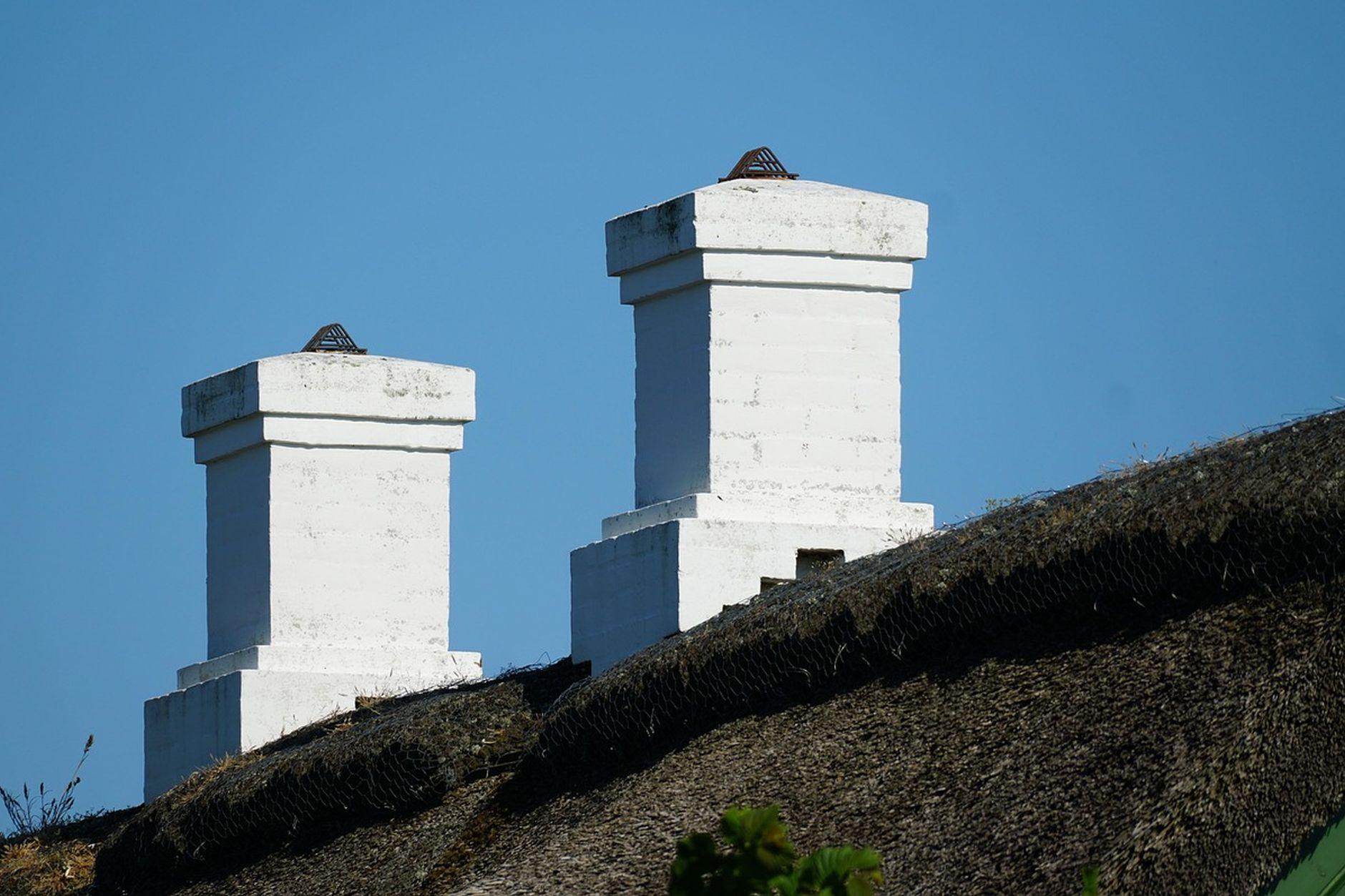
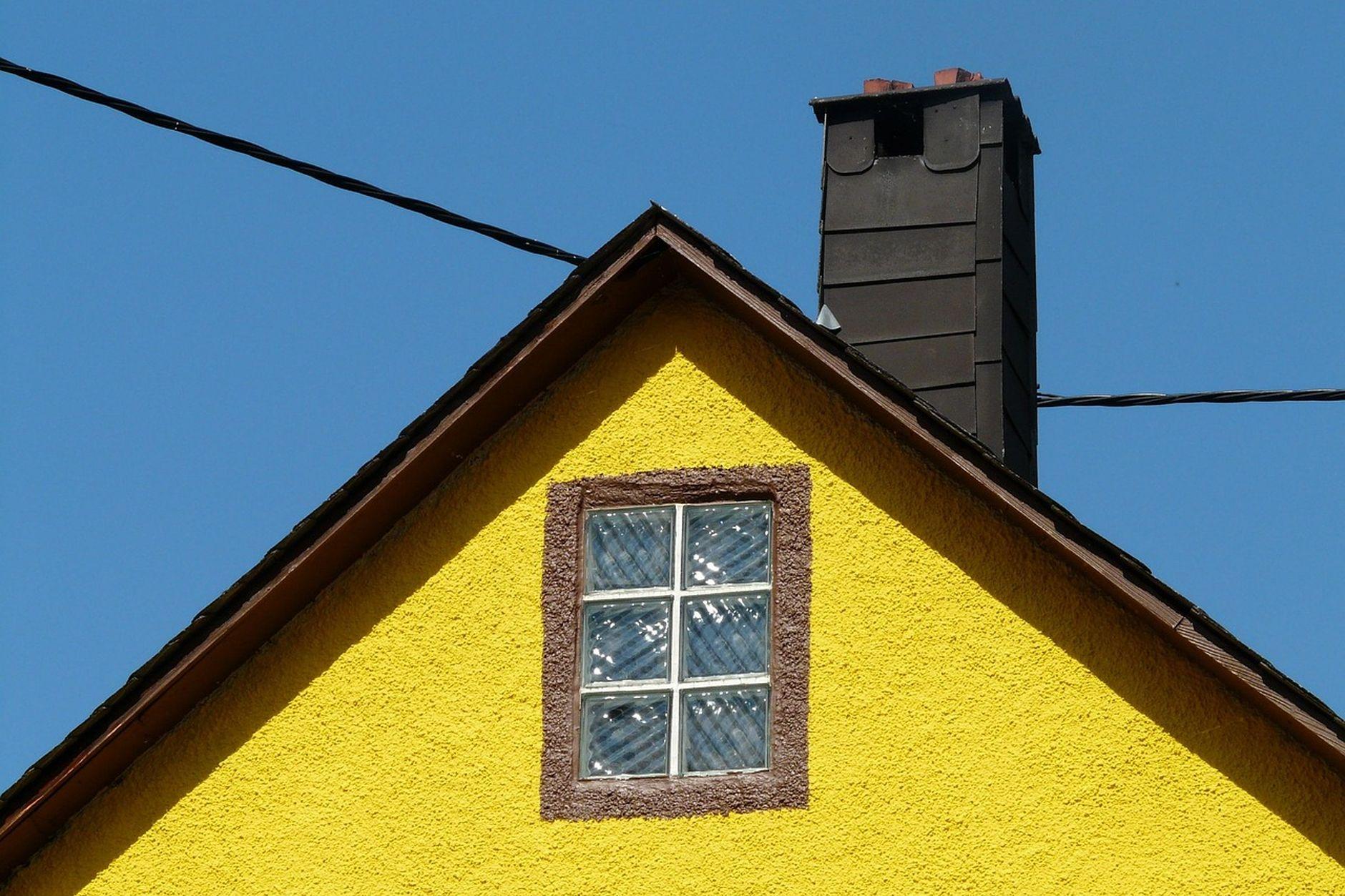
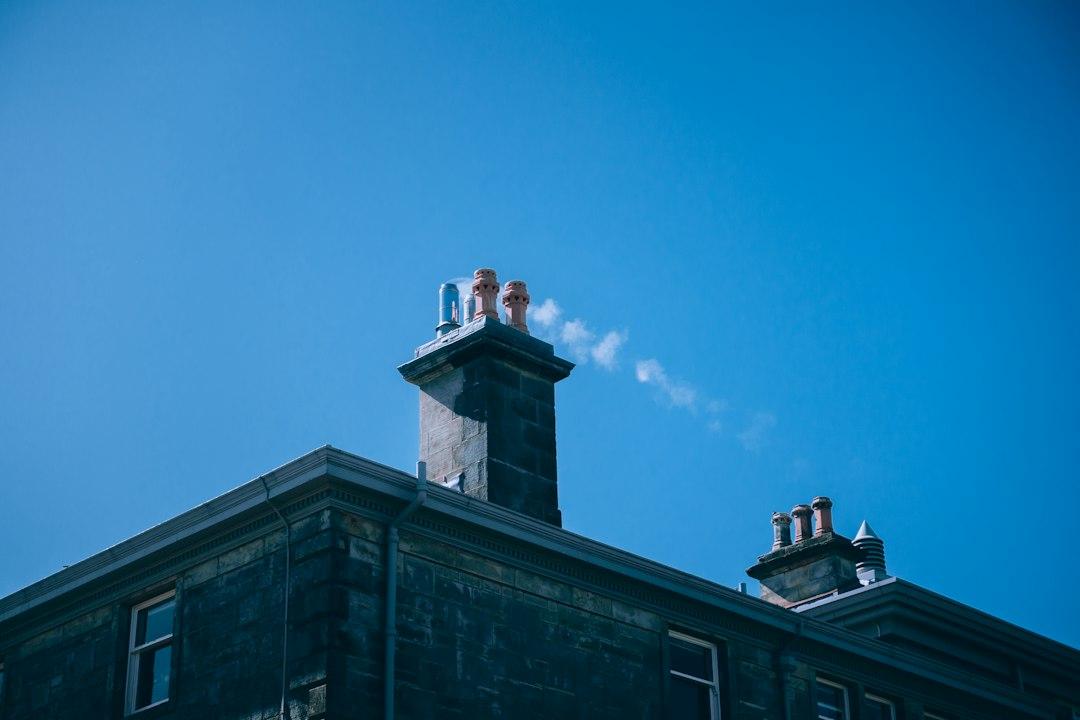
A masonry chimney is brick and mortar stacked through the roof. Several separate parts work together to keep it dry, and a leak means at least one has failed. Knowing their names makes any quote easier to follow.
- The cap. A metal hood over the top of the flue. Without one, the open top of the flue is a funnel for every storm.
- The crown. The sloped slab of concrete or mortar across the top of the brickwork. It should shed water away from the flue. When it cracks, water soaks into the brick below.
- The flashing. Strips of metal that seal the joint between the chimney and the roof. Roofs and chimneys move differently with heat and weather, and this joint takes the strain.
- The brick and mortar themselves. Old mortar wears away over decades, and the joints start to drink in rain.
- The cricket. On a wide chimney, a small sloped ridge built on the uphill side. It splits the water coming down the roof so it runs around the chimney instead of pooling against it.
On a factory built fireplace with a metal chimney, the box around the flue (called a chase) has its own metal top, the chase cover, which can rust and let water through. That is a separate job, covered on our chase cover page.
Finding where it really comes in
Water is a poor witness. It enters at one point, follows framing or the outside of the flue, and shows up somewhere else entirely. The stain on your ceiling tells you there is a leak. It rarely tells you where.
So the first part of any repair is tracing. On our visits that means:
- Going onto the roof to look at the cap, crown, flashing and brick for open joints, cracks and lifted metal.
- Going into the attic, if there is access, to see where water marks start on the wood around the chimney.
- Testing suspected spots with water, one section at a time, so the source is confirmed before anything is replaced.
Many leaks have more than one cause, which is why a repair that only seals one spot sometimes leaves the stain coming back. You get a written explanation of each source we found, with photos.
What the usual repairs cost
These are our published prices for the fixes that come up most often on leaking chimneys. Each line is installed work.
| Repair | When it is the fix | Our price |
|---|---|---|
| Cricket on its own | Water and leaves pile up behind a wide chimney | $420 to $950 |
| Cricket plus a full set of new flashing | The pile up has worn out the metal at the roof joint too | $630 to $1,600 |
| Tracing the water and fixing what we find | Water comes from flashing, joints or several places at once | $525 to $3,150 |
A chimney cap, for water coming in through an open flue top, is quoted after we measure. A small cap on a single flue is the simplest job; a custom cap spanning several flues costs the most.
The ranges are wide because chimneys are not alike. A leak from one loose piece of flashing is quicker than one that needs work on three sides of the stack.
Repairs we do not publish a figure for, like recasting a crown or treating the brick with a water repellent, come to you as a written quote once we have measured. Our leak repair, crown repair and waterproofing pages explain each.
Ask for a leak visit through the form, and in the message say which room the water reaches and whether every storm brings it or only the hard ones. That narrows the search before we arrive.
Why it is worth fixing soon
A small leak around a chimney is cheap compared with what it leads to. Water held in brick loosens mortar faster. Water reaching the framing beside the chimney rots it. Water inside the flue can crack clay tiles and rust the damper, the metal flap that closes the flue. And a wet attic is where mold starts.
Southern California does not get a long rainy season, which works against owners in one way: a leak that shows in one storm can go quiet for months and be forgotten until the next winter, by which point the damage has grown.
If you bought the house recently
Check your purchase paperwork. If the inspection reports from the sale mention the chimney, staining, or "further evaluation", that may tell you the leak was already there. Either way, a chimney inspection gives you a full picture of the top of the chimney while we are on the roof anyway. A camera inspection, Level 2 at $370, adds the inside of the flue, which matters if water has been running down it.
New owners in Paramount often find that a leak visit doubles as their first proper look at the chimney. That is not a bad thing. Knowing every part of it in one report is a strong start. If you are still deciding which first visit fits, see what a first chimney visit costs.
What you get from the visit
A written report that names each source of water, where it is and what it means, with photos. The price of each repair, from the table above where it applies, or a written quote where it does not. Nothing is fixed on the day without your agreement.
When you are ready to stop the stain from coming back, start on our contact page. Tell us where the water shows and we will plan the visit around it.
Your Fireplace, Looked at in Person
A guide can only go so far. Talbot Chimney Company visits homes across southeast LA County, names every part as we check it, and leaves a written report with a picture beside each finding.